A brief history, purpose, and why kata training is essential
In traditional Shotokan Karate, kata is considered the heart of training. While many people associate karate with sparring or self-defense, the structured practice of kata preserves the technical and philosophical foundation of the art.
Kata are carefully arranged sequences of movements that simulate fighting multiple opponents. These forms combine punches, kicks, blocks, turns, and stances into a flowing pattern that develops both the body and the mind.
What is Kata?
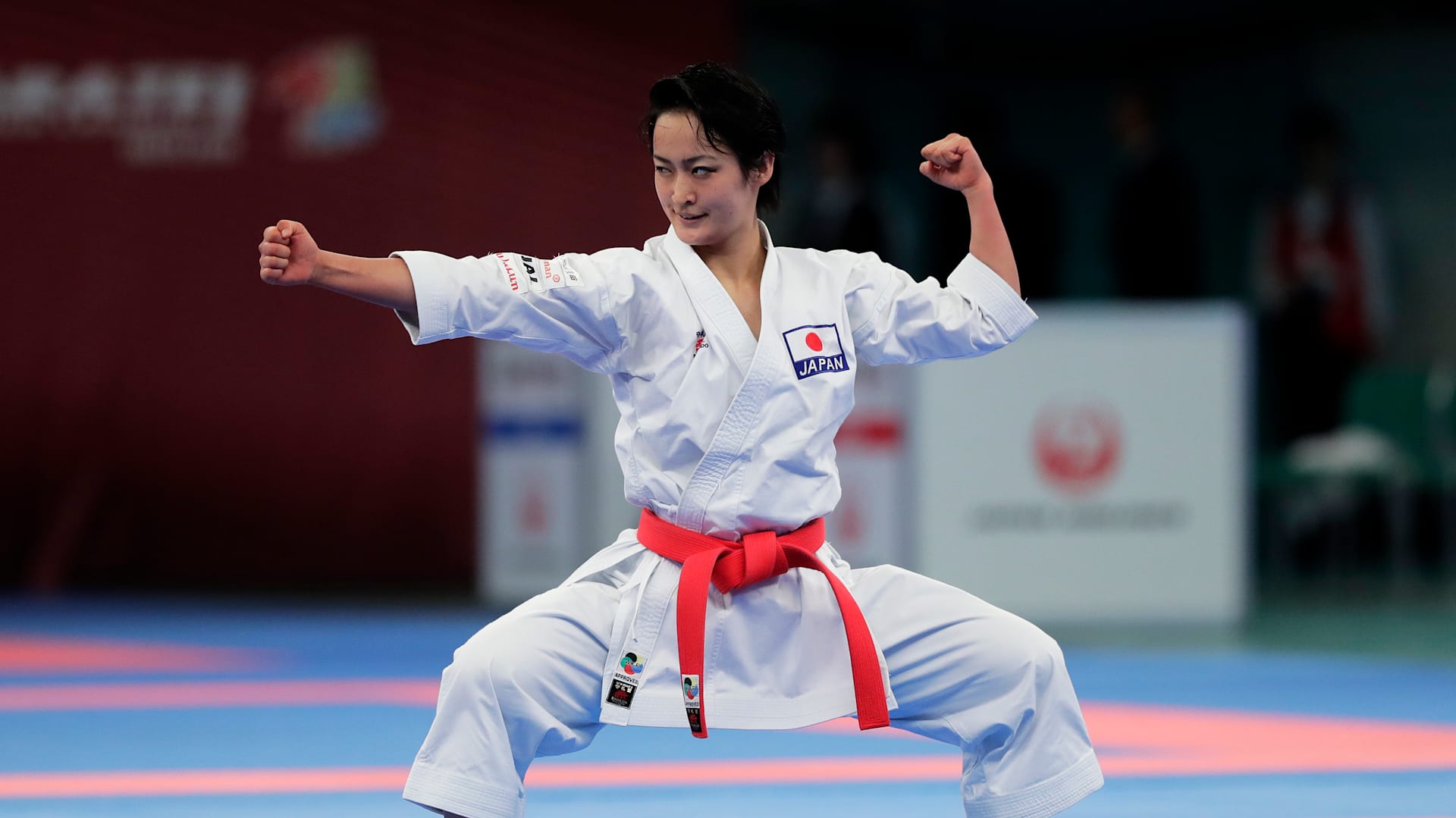


The Japanese word kata means “form” or “pattern.” In karate, it refers to a choreographed sequence of techniques performed alone. Each movement represents a potential defensive or offensive response against an imaginary opponent.
Kata training includes:
- Punches, kicks, and strikes
- Blocks and defensive movements
- Footwork and directional changes
- Timing, rhythm, and breathing
These sequences teach practitioners how to generate power, maintain balance, and move efficiently in combat situations.
Shotokan karate contains around 26 traditional kata, ranging from beginner forms like Heian Shodan to advanced kata such as Unsu or Gojushiho.
A Brief History of Shotokan Kata


The modern Shotokan system was founded by Gichin Funakoshi (1868–1957), widely known as the father of modern karate.
Karate originated in Okinawa and was influenced by both local fighting traditions and Chinese martial arts. Funakoshi studied under several masters and later introduced karate to mainland Japan in the early 20th century.
Key historical developments include:
- Early kata were developed in Okinawa as practical combat training.
- Funakoshi standardized many forms and introduced them into Japanese education.
- He renamed several kata and organized them into a structured curriculum.
- His teachings emphasized character development, discipline, and lifelong training.
Funakoshi famously said that the ultimate aim of karate is not victory or defeat, but the perfection of character.
The Benefits of Practicing Shotokan Kata
1. Improves Technical Precision
Kata requires precise stances, angles, and techniques. Repetition allows practitioners to refine every movement, leading to better mechanics and stronger fundamentals.
2. Builds Strength and Conditioning
The deep stances and explosive techniques of Shotokan kata strengthen the legs, hips, and core. Regular practice also improves flexibility, endurance, and overall fitness.
3. Develops Muscle Memory
Through constant repetition, movements become instinctive. This allows karateka to react naturally and efficiently in real self-defense situations.
4. Enhances Mental Focus and Discipline
Performing kata requires intense concentration. Practitioners must maintain awareness of direction, rhythm, breathing, and technique simultaneously.
This mental training develops:
- Focus
- patience
- mindfulness
- emotional control
5. Preserves Traditional Martial Knowledge
Kata acts as a living record of martial techniques passed down through generations. Many self-defense applications are hidden within the movements, a concept known as bunkai.
By practicing kata, karateka help preserve centuries of martial knowledge and culture.
Kata as the Foundation of Karate
In traditional karate training, practice is divided into three parts:
- Kihon – basic techniques
- Kata – formal patterns
- Kumite – sparring
Kata connects these three elements. It teaches the mechanics and strategies that are later applied in sparring and self-defense.
For this reason, many instructors believe that without kata, true karate cannot exist.
Conclusion
Shotokan kata is far more than a performance or demonstration. It is a complete training method that develops physical strength, technical skill, mental discipline, and martial understanding.
Through kata, practitioners connect with the history of karate while continually refining themselves. Whether practiced by beginners or masters, kata remains the essence of traditional Shotokan karate.
As generations of karateka have discovered, mastering kata is not only about perfect technique—it is a lifelong journey toward self-improvement.